

Underfloor heating has become a popular choice for homeowners seeking a comfortable and energy-efficient way to heat their homes. This innovative system, which heats your home from the ground up, offers several advantages over traditional heating systems such as radiators.
How Does Underfloor Heating Work?
There are two primary types of underfloor heating:
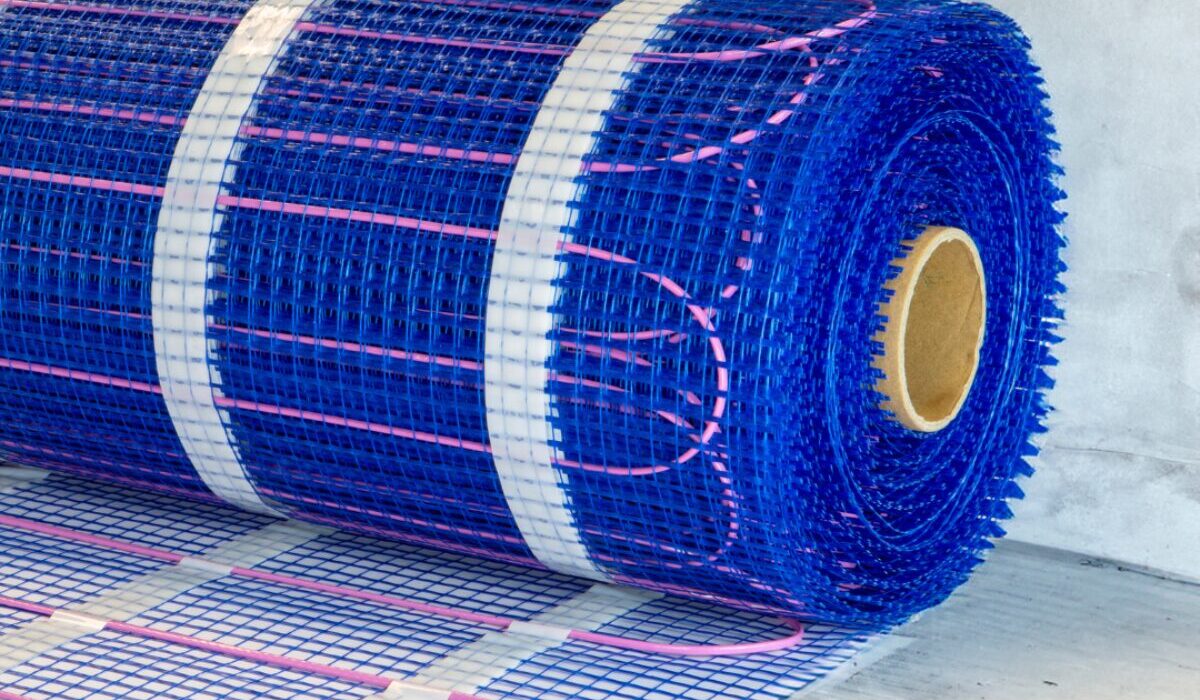
1. Electric Underfloor Heating: This system involves installing electric cables beneath your flooring. When activated, these cables generate heat, warming the floor surface. Electric underfloor heating systems come in two main types: electric underfloor heating mats and loose cable. Electric underfloor heating mats are prefabricated mats containing heating cables laid out in a serpentine pattern. They are easy to install and can be a good option for smaller areas or DIY projects. Loose cables offer more flexibility and customisation, allowing for installation in awkward shaped rooms.

2. Water-Based Underfloor Heating: This system utilises a network of pipes installed beneath the flooring. Hot water is circulated through these pipes, transferring heat to the floor. Water-based underfloor heating is commonly preferred in larger homes. Water-based underfloor heating comes with a variety of different systems depending on the situation. These include screeded systems for new builds, suspended systems for renovations with joisted floors, and low-profile systems for retrofits where floor height is a concern.
Benefits of Underfloor Heating
- Enhanced Comfort: Underfloor heating provides a consistent and even heat distribution throughout your home, creating a more comfortable living environment. Unlike traditional radiators, which can cause hot and cold spots, underfloor heating ensures a warm and snug atmosphere in every room.

- Energy Efficiency: Underfloor heating systems are often more energy-efficient than radiators. This is because heat rises naturally, meaning that warm air tends to accumulate near the ceiling in homes heated by radiators. Underfloor heating, on the other hand, heats the floor directly, ensuring that heat is distributed evenly throughout the space. Additionally, wet underfloor heating systems typically operate at lower temperatures than traditional radiators, meaning less energy is needed to heat the water. This can result in significant energy savings over time.
- Improved Air Quality: Underfloor heating systems remove air convection, which can minimise the circulation of dust and allergens. This makes them a healthier option for individuals with allergies or respiratory issues, as compared to radiators, which can stir up dust particles.
- Increased Property Value: Installing underfloor heating can significantly enhance the value of your home. Potential buyers often view underfloor heating as a desirable feature, as it provides a luxurious and comfortable living experience.

Installation Considerations
The installation process for wet underfloor heating can vary depending on the type of system you choose and the existing flooring in your home. In general, the installation involves laying a layer of insulation over the subfloor, followed by the pipes. Then a thin layer of screed is then poured over the top to create a level surface for your final floor finish. For electric underfloor heating system, a thin cement board is installed on the sub-floor and the mat or loose cable is installed on top of the cement board. Depending on the system, a thin layer of screed is install, then the final floor finish.

Choosing the Right Underfloor Heating System
When selecting an underfloor heating system, several factors should be considered:
- Floor Finish: The choice of flooring can sometimes influence the type of underfloor heating system that can be installed. For instance, if you prefer carpet flooring and are considering electric underfloor heating, you might be limited to using an FME mat or a 160W mat with a 10mm layer of self-levelling screed on top.
- Existing Heating System: If you have an existing central heating system, water-based underfloor heating can often be integrated more seamlessly. However, electric underfloor heating remains a viable option, particularly for renovating smaller rooms like bathrooms, conservatories, or kitchens.
- Budget: The initial cost of installation and ongoing operational expenses should be factored into your decision. While underfloor heating may have a higher upfront cost compared to traditional heating systems, it can often result in long-term energy savings.


Additional Considerations
- Smart Thermostats: For greater control and efficiency, consider installing smart thermostats with your underfloor heating system such as our Wi-Fi enabled SnugStat. These thermostats allow you to adjust the temperature remotely and create custom heating schedules.
- Air Source Heat Pumps: For a sustainable and efficient heating solution, consider combining our Snug air-source heat pumps with underfloor heating. This combination is highly efficient because both systems operate optimally at lower temperatures, resulting in significant energy savings.
- Installation Guides: Our comprehensive installation guides provide step-by-step instructions for a range of our systems for both DIY and professional installations, ensuring a smooth and successful installation process.
Conclusion
Underfloor heating offers a modern and efficient way to heat your home, providing a comfortable, energy-efficient, and stylish living environment. By understanding how it works, the benefits it offers, and the factors to consider when choosing a system, you can make an informed decision and enjoy the many advantages of underfloor heating.
At Snug Underfloor Heating, we are passionate about providing high-quality underfloor heating solutions for homes of all shapes and sizes. We offer a wide range of electric and water-based underfloor heating systems, along with expert advice and support to ensure a smooth and successful installation process.
For a FREE quote or to discuss your underfloor heating requirements, don’t hesitate to get in touch with our friendly team. Call us on 01772 761 333 or email us at sales@firsttrace.co.uk.


